

A wedding cake is both a dessert and part of the reception décor. Its design should suit the celebration, but flavour, portion size, venue conditions and serving plans are just as important as appearance.
This guide covers popular wedding cake designs, flavour combinations and practical sizing tips to help you order the right cake for your guest list.

Popular Wedding Cake Designs
Wedding cakes can be minimal, romantic, colourful or highly decorative. Start with the overall wedding style, venue and colour palette before choosing individual details.
1. Classic White Tiered Cake
A white tiered cake remains one of the most timeless choices. Smooth buttercream, clean edges and minimal decoration allow it to work with almost any wedding style.
2. Minimalist Wedding Cake
Minimalist designs use simple shapes, neutral colours and restrained decoration. A single floral accent, fine piping or textured buttercream can add interest without making the cake feel busy.
3. Floral Wedding Cake
Fresh, sugar or pressed flowers can transform a simple cake. The floral arrangement may match the bridal bouquet or use contrasting seasonal colours.
Confirm that any fresh flowers touching the cake are food-safe and prepared correctly.

4. Rustic Buttercream Cake
Textured buttercream, greenery and natural decoration suit barn, countryside and relaxed outdoor weddings. The finish can be intentionally imperfect while still looking polished.
5. Naked Wedding Cake
A naked cake has little or no frosting around the sides, leaving the sponge layers visible. It creates a relaxed, rustic appearance but may dry out faster than a fully covered cake.
6. Semi-Naked Cake
A thin layer of buttercream covers the cake while allowing parts of the sponge to remain visible. It offers the natural look of a naked cake with slightly better protection.
7. Vintage Piped Cake
Decorative piping, scalloped borders and shell details create a romantic retro look. These wedding cake designs can be all white or decorated with pastel colours and cherries.
8. Lambeth-Style Cake
Lambeth cakes use layered piping, swags and ornate borders. The style feels playful and theatrical, making it suitable for couples who want the cake to become a reception focal point.
9. Watercolour Wedding Cake
Soft colours are blended across the frosting to create a painted effect. Watercolour designs work especially well for spring, garden and artistic weddings.
10. Metallic Wedding Cake
Gold or silver leaf, metallic brushwork and painted details add a formal finish. Metallic decoration is most effective when used as an accent rather than covering the entire cake.
11. Pearl-Decorated Cake
Edible pearls create a delicate bridal look and can echo pearl jewellery, dress embellishments or reception décor.

12. Ruffle Wedding Cake
Buttercream or fondant ruffles add movement and texture. The design can feel romantic, modern or dramatic depending on the size and placement of the ruffles.
13. Pressed-Flower Cake
Edible pressed flowers create a colourful botanical finish. This design is especially popular for garden, summer and bohemian weddings.
14. Painted Wedding Cake
Hand-painted flowers, patterns or landscapes turn the cake into a custom piece of art. Couples may include details inspired by their invitations, venue or shared story.
15. Geometric Wedding Cake
Sharp tiers, angular decoration and structured patterns create a modern appearance. Geometric cakes often combine neutral frosting with metallic or dark accents.
16. Monogrammed Wedding Cake
Initials, a wedding crest or a custom monogram can be added using icing, fondant or a decorative topper.
17. Colourful Wedding Cake
Wedding cakes do not need to be white. Blue, pink, green, burgundy or multicoloured designs can match the reception palette and create a stronger visual statement.
18. Black Wedding Cake
Black frosting or fondant gives the cake a dramatic, contemporary look. Gold details, flowers or white piping can soften the dark finish.
19. Single-Tier Wedding Cake
A single-tier cake is suitable for an intimate wedding, elopement or cake-cutting moment. Additional desserts can be served separately when more portions are needed.
20. Mismatched Tier Cake
Each tier can use a different colour, texture or decorative technique. Repeating one detail, such as flowers or metallic accents, helps the final design feel cohesive.
Buttercream or Fondant?
The outer finish affects both appearance and taste.
Buttercream
Buttercream has a soft texture and is generally preferred by couples who prioritize flavour. It can be smooth, piped or textured, but it is more sensitive to heat.
Fondant
Fondant creates a smooth, structured surface and supports detailed decoration. It may be more practical for complex wedding cake designs, although not every guest enjoys its texture.
Ganache
Chocolate ganache creates a rich, smooth finish and can also be used underneath fondant. It is often more stable than buttercream but may still require temperature control.
Your baker can recommend the best option based on the design, season and venue.
Popular Wedding Cake Flavours
Couples no longer have to choose between only vanilla and chocolate. Many wedding cake flavours combine familiar sponge bases with fruit, cream, caramel or nut fillings.

Vanilla and Raspberry
Vanilla cake with raspberry filling is light, familiar and easy to serve to a broad range of guests.
Lemon and Elderflower
A fresh combination for spring and summer weddings. Lemon sponge pairs well with elderflower buttercream or a light citrus filling.
Chocolate and Salted Caramel
Rich chocolate cake balances well with salted caramel and chocolate ganache. It is a strong choice for fall and winter receptions.
Red Velvet and Cream Cheese
Red velvet has a mild cocoa flavour and is traditionally paired with cream cheese frosting. Ask the baker how the frosting will be stored in warm weather.
Carrot Cake
Carrot cake is moist, gently spiced and often served with cream cheese frosting. It suits rustic and autumn weddings particularly well.
Almond and Cherry
Almond sponge with cherry filling creates a sweet, slightly tart combination with a traditional feel.
Coconut and Lime
Coconut cake with lime curd or buttercream works well for tropical, beach and destination weddings.
Champagne and Strawberry
Champagne-flavoured sponge or buttercream paired with strawberry filling feels celebratory without being overly heavy.
Pistachio and Raspberry
Pistachio adds a subtle nutty flavour, while raspberry provides acidity and colour.
Coffee and Chocolate
Coffee sponge, espresso buttercream and chocolate ganache create a rich option for evening receptions.
Funfetti Cake
A colourful sprinkle-filled sponge adds a playful detail while keeping the flavour simple and familiar.
Seasonal Fruit Cake
Fresh berries, apples, pears, peaches or citrus can be incorporated according to the season and local availability.

Can Every Tier Have a Different Flavour?
Yes. Many couples choose two or three flavours so guests have more variety.
A common approach is to use a familiar flavour for the largest tier and a more distinctive combination for a smaller tier. Confirm how the venue will serve the flavours, as guests may not be able to choose when slices are plated in advance.
Avoid selecting too many combinations. Two flavours are usually sufficient for a medium-sized wedding.
Wedding Cake Sizing Guide
The correct cake size depends on the number of guests, how the cake will be cut and whether other desserts will be served.
Approximate Wedding Cake Portions
| Cake size | Approximate servings |
| 6-inch round | 10–12 |
| 8-inch round | 20–24 |
| 10-inch round | 30–38 |
| 12-inch round | 45–56 |
| Two-tier cake | 30–50 |
| Three-tier cake | 70–100 |
| Four-tier cake | 120–160 |
These numbers are estimates. Actual portions vary according to tier height, cake shape and cutting method. Your baker or caterer should provide a precise serving chart for the chosen design.
How Much Wedding Cake Do You Need?
You do not always need one full portion for every guest.
Order close to one serving per guest when:
- Cake is the main dessert
- It will be served at every table
- There are few alternative sweets
- You want leftovers
You may order cake for approximately 75–85% of guests when:
- A dessert table is also available
- Several guests may leave before cake service
- The reception includes a plated dessert
- Cake is served later in the evening
Discuss the final guest count with both the baker and caterer before confirming the size.
What Is a Kitchen Cake?
A kitchen cake is a simpler sheet cake prepared in the same flavour as the display cake. It remains out of view and is cut in the kitchen.
This option allows couples to display a smaller decorative cake while providing enough servings for a large guest list. It can be more cost-effective because the additional cake does not require elaborate decoration.
Real or Faux Wedding Cake Tiers?
Faux tiers are made from decorated foam and are commonly used to add height without producing unnecessary servings.
A cake may combine one real tier for cutting with several decorative tiers. Guests are then served slices from a kitchen cake.
Faux tiers can simplify transportation and support complex designs, although they do not always reduce the price significantly because decoration still requires time and skill.
Round, Square or Alternative Cake Shapes
Round tiers are classic and generally provide the softest appearance. Square cakes look more structured and may produce slightly more portions at a similar width.
Other options include:
- Hexagonal tiers
- Heart-shaped cakes
- Oval cakes
- Scalloped edges
- Mixed round and square tiers
- Asymmetrical tier arrangements
Unusual shapes may require extra construction and decoration time.
How to Match the Cake to Your Wedding
The cake should complement the reception rather than reproduce every decorative detail.
Use the following elements as inspiration:
- Wedding colours
- Invitation design
- Flowers and greenery
- Dress details
- Venue architecture
- Table linens
- Cultural traditions
- Personal interests
Choose one or two recognisable elements. Matching the flowers, colour palette and invitation pattern at the same time may make the design feel overly literal.
Wedding Cake Toppers
A topper can complete a simple cake, but it is not required.
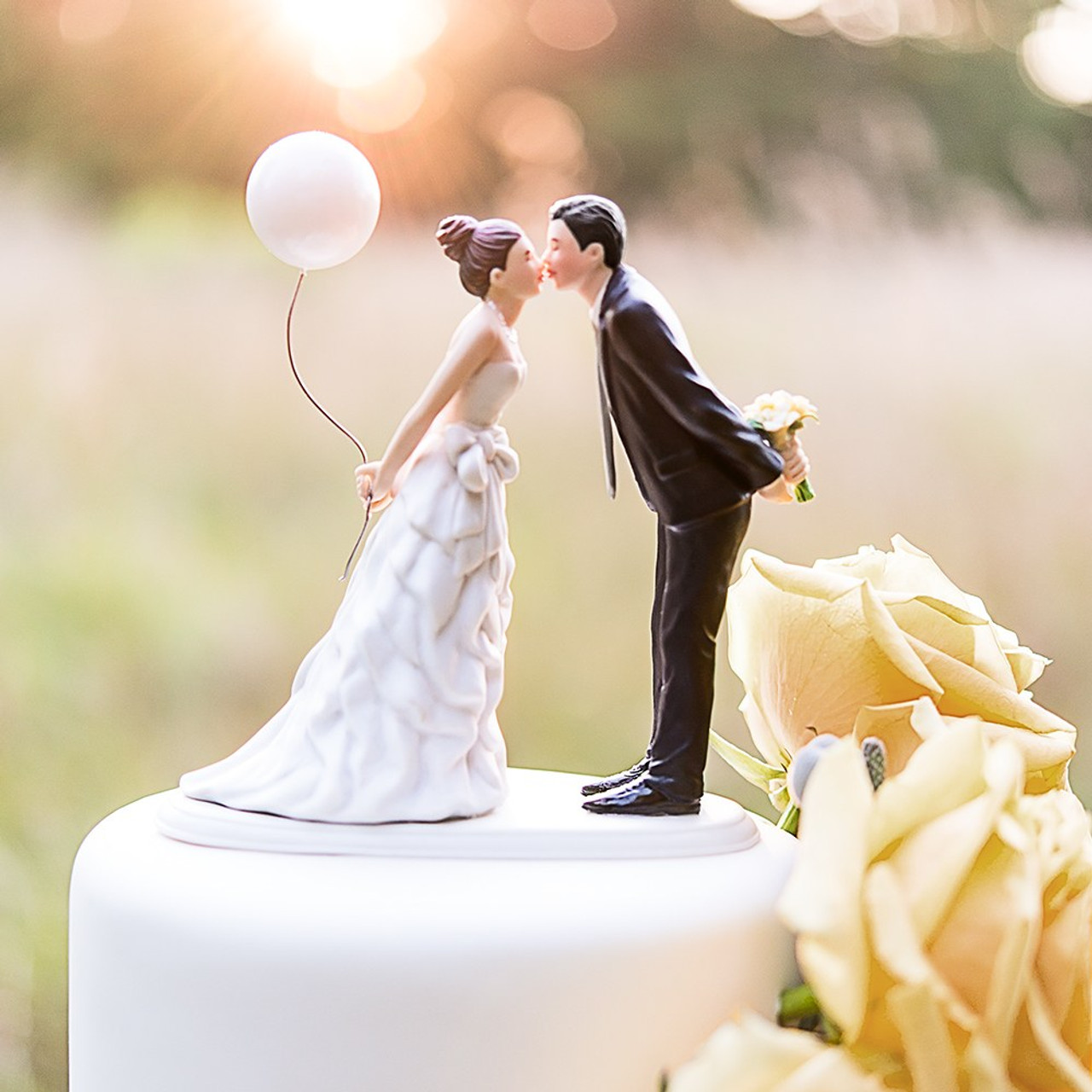
Popular options include:
- Couple figurines
- Initials or surnames
- Short phrases
- Fresh or sugar flowers
- Custom silhouettes
- Pets
- Minimalist metal designs
- Family heirlooms
Check the topper’s weight and dimensions with the baker. Heavy decorations may need additional internal support.

What to Ask at a Wedding Cake Tasting
A cake tasting is not only about choosing flavours. Use the appointment to discuss the complete order.
Ask about:
- Available sponge and filling combinations
- Buttercream, fondant and ganache options
- Portion calculations
- Allergies and dietary requirements
- Delivery and setup fees
- Venue refrigeration
- Outdoor heat and humidity
- Cake stand rental
- Fresh flower preparation
- Payment and cancellation terms
- Changes to the final guest count
Bring reference images, but explain which specific details you like instead of asking for an exact copy of another baker’s work.
When Should You Order a Wedding Cake?
Book the baker approximately six to nine months before the wedding. Highly requested bakers and peak-season dates may require earlier reservations.
Finalize the design, flavours and size after the venue, colour palette and approximate guest count are known. The final serving number can usually be adjusted closer to the wedding according to the baker’s contract.
How to Display the Cake Safely
The cake table should be level, stable and positioned away from direct sunlight, heaters and busy walkways.
For outdoor weddings, ask:
- How long the cake can remain outside
- Whether it needs refrigeration
- What time delivery should occur
- Which frostings tolerate heat
- How insects and wind will be managed
A beautiful wedding cake can quickly lose its shape when the frosting is unsuitable for the temperature.
Choosing a Cake That Looks and Tastes Right
The most successful wedding cake balances design, flavour and practical serving needs. Begin with the guest count and venue conditions, then choose a visual style and two or three flavour combinations that suit the season.
Whether you prefer a floral tiered cake, modern painted design or simple buttercream finish, the cake should taste as memorable as it looks.





Leave a Reply